
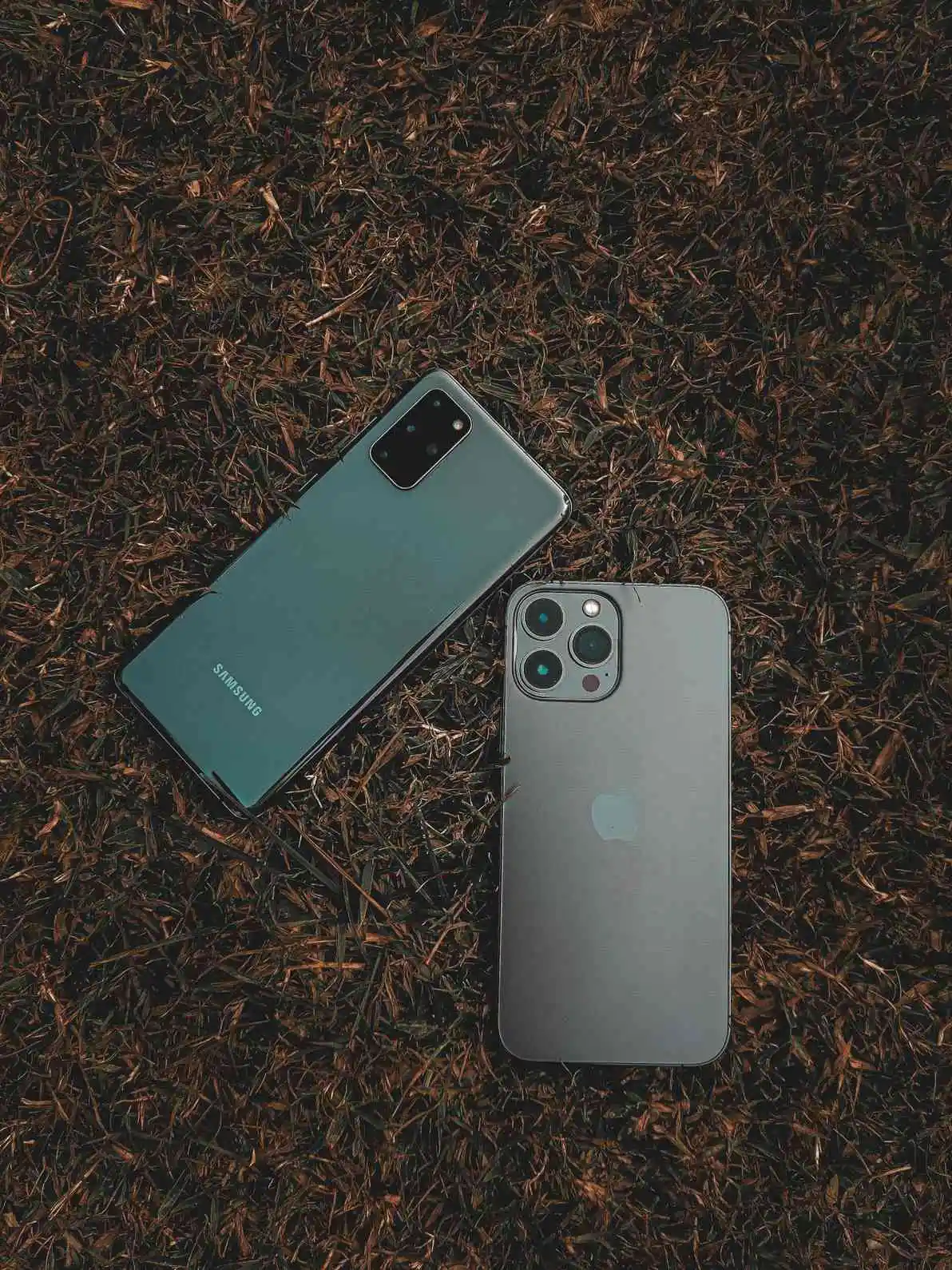
Choosing between Android and iPhone no longer comes down to brand loyalty. It comes down to control, cost, and flexibility.
Both platforms run fast apps and handle daily tasks well. Still, Android offers more practical benefits for users who want choice and long-term value. You might be wondering why that matters. It matters because your phone affects how you work, spend, and upgrade.
Below are 10 clear reasons why Android is better than iPhone, based on real usage and everyday features.
Why the Android vs iPhone Comparison Matters
Your operating system shapes how you use all of that and how devices evolve as technology changes. Experts already discuss how the future of smartphone technology will reshape daily life.
Your phone decides:
- How much control you get
- How much money you spend
- How easily you upgrade
- How flexible your device stays
Android and iPhone follow different ideas. Android gives control to users. iPhone keeps control inside its ecosystem. Because of that difference, users experience each platform in very different ways.
1. Android Offers More Customization
Android lets users control how their phone looks and works.
You can:
- Change launchers
- Add custom widgets
- Apply themes and icon packs
- Adjust gestures and navigation
- Set default apps
iPhone limits most of these options. Android lets you shape the interface to match how you actually use your phone. This freedom also supports a broader Android software ecosystem, as seen in platforms like Snaptroid.
2. Android Gives You More Device Choices
Android does not depend on one brand.
Users can choose phones from:
- Samsung
- Google Pixel
- Xiaomi
- OnePlus
- Oppo
- Vivo
- Motorola
Because many companies compete, Android phones come in many sizes, designs, and feature sets. Apple releases only a few models each year. As a result, Android fits more user needs.
3. Android Works for Every Budget
Android phones cover every price range.
You can buy:
- Budget phones with reliable performance
- Mid-range phones with premium features
- Flagship phones that cost less than iPhones
Apple keeps prices high across its lineup. Android gives users value without forcing expensive upgrades.
4. Android Supports Expandable Storage
Many Android phones support microSD cards.
This support allows users to:
- Increase storage at low cost
- Store large photos and videos
- Avoid paid cloud plans
iPhones do not allow storage expansion. Users must pay more upfront or subscribe to iCloud. Android gives direct control over storage space.
5. Android Uses USB-C Charging
Most Android phones use USB-C.
USB-C works with:
- Phones
- Laptops
- Tablets
- Power banks
- Accessories
USB-C charges faster and transfers data quicker. Android phones also support advanced charging options that iPhones still limit. This difference becomes clear when comparing features like iPhone charging limitations.
6. Android Handles Multitasking Better
Android supports real multitasking.
Users can:
- Run apps in split screen
- Open floating windows
- Switch tasks instantly
- Use desktop-style modes on some devices
iPhones rely mainly on app switching. Android allows users to do more at the same time, which helps productivity.
7. Android Uses an Open App System
Android allows apps from many sources.
Users can:
- Install APK files
- Use third-party app stores
- Control app permissions in detail
This openness increases app choice and flexibility. iPhone restricts installs to a closed system. Android gives users responsibility instead of limits.
8. Android Gets New Technology Faster
Android manufacturers compete aggressively.
Because of that competition, Android introduced:
- High refresh rate displays
- Fast and ultra-fast charging
- Foldable phones
- Under-display fingerprint sensors
- Advanced zoom cameras
This rapid innovation aligns with broader trends in mobile and digital technology growth, which experts already explore in articles about promotion technology
9. Android Works Better With Google Services
Android integrates deeply with Google tools.
It works smoothly with:
- Google Maps
- Gmail
- Google Drive
- Google Photos
- Google Assistant
Google Assistant offers strong voice control and automation. Android also provides more free cloud storage than iCloud, which reduces extra costs.
10. Android Is Easier to Repair
Android phones cost less to repair.
They usually offer:
- Lower repair prices
- Easier access to parts
- More service options
Some models still support removable batteries. iPhone repairs remain costly and restricted. Android gives users more ownership over their devices.
Android vs iPhone: Quick Comparison
| Feature | Android | iPhone |
|---|---|---|
| Customization | Extensive | Limited |
| Device Variety | Very High | Low |
| Price Range | Budget to Premium | Mostly Premium |
| Storage | Expandable (many models) | Fixed |
| Charging | USB-C | Limited compatibility |
| App Freedom | Open | Restricted |
Who Should Choose Android Instead of iPhone?
Android suits users who want:
- Control over their phone
- Affordable choices
- Open software access
- Strong multitasking
- Faster hardware updates
- Flexible storage
If flexibility matters more than brand image, Android makes more sense.
Conclusion: Why Android Is Better Than iPhone
Android gives users control. That control changes how people use their phones every day. It lets you customize the interface, choose affordable devices, expand storage, and adopt new technology faster. These choices reduce costs and increase flexibility over time. IPhone delivers a smooth and controlled experience. Android delivers freedom and adaptability.
Frequently Asked Questions (FAQs)
1. Why is Android considered better than iPhone?
Android gives users more control over customization, storage, apps, and pricing. This flexibility makes Android better for users who want choice and value.
2. Is Android cheaper than iPhone?
Yes. Android phones exist at all price levels. Users can buy budget, mid-range, or premium devices. iPhones stay expensive across most models.
3. Does Android allow more customization than iPhone?
Yes. Android supports launchers, widgets, themes, icon packs, and default app control. iPhone limits most interface changes.
4. Is Android better for multitasking?
Android supports split-screen apps, floating windows, and faster task switching. iPhone mainly relies on app switching.
5. Which is better for storage, Android or iPhone?
Android is better for storage because many models support microSD cards. iPhones require higher-priced models or paid cloud storage.
6. Is Android more open than iPhone?
Yes. Android allows third-party app installs, APK files, and deeper permission control. iPhone uses a restricted app ecosystem.
7. Does Android get new technology faster than iPhone?
Android manufacturers release new hardware features more frequently due to competition. This leads to faster innovation.