
Global waste keeps increasing. Manual recycling systems fail to keep up. People want recycling to feel simple, accurate, and worth the effort. You might be thinking, why does recycling still feel confusing in 2026? That’s exactly the problem MataRecycler aims to fix.
This is a technology-driven recycling platform that improves how people, businesses, and public systems handle waste. It combines artificial intelligence, automation, real-time tracking, and user feedback. The result? Recycling shifts from guesswork to a clear, guided process you can actually trust.
This guide explains what it is, how it works, why it matters, and how it compares to traditional recycling—without technical overload.
What Is MataRecycler?
It is an intelligent recycling system that identifies, sorts, tracks, and improves recyclable waste handling using modern technology.
Traditional recycling depends on people guessing what goes where. That guesswork causes contamination and waste. It replaces confusion with instructions, automation, and feedback. You recycle correctly. Organizations cut errors, costs, and environmental damage.
In plain terms, it answers three questions people always ask:
- Is this item recyclable?
- How do I prepare it?
- What happens after I recycle it?
Why MataRecycler Is Needed Today
Most recycling systems struggle for the same reasons:
- People sort items incorrectly, which increases contamination
- Users receive no feedback or guidance
- Collection routes waste fuel and time
- No one knows where recyclables actually end up
As waste volumes grow, these issues cost more money and cause more environmental harm. Similar inefficiencies appear in poorly designed digital platforms, which is why data-driven optimization matters in both tech and waste systems.
MataRecycler fixes this by using data and automation. When the system removes guesswork, recycling becomes consistent, scalable, and easier to manage.
How MataRecycler Works (Step by Step)
1. User Registration and Setup
Users sign up through a mobile app or web platform. They set their location. The system connects them to nearby recycling centers, smart bins, or pickup services.
The same setup works for homes, offices, schools, and large facilities. One system. Multiple use cases.
2. Smart Identification and Sorting
A user scans or deposits an item. This analyzes it using AI-based recognition.
The system:
- Identifies the material
- Confirms recyclability
- Shows preparation steps like rinsing or flattening
This step reduces contamination. Less contamination means more usable recycled material. Simple cause. Clear effect.
3. Automated Collection and Routing
It uses smart sensors and usage data to monitor bin capacity.
This enables:
- Smarter pickup schedules
- Fewer unnecessary trips
- Lower fuel use and emissions
Cities and waste operators save money because routes match real demand.
4. Transparent Recycling Tracking
The system records every recycling action. Users can see:
- How much they recycled
- Which materials were recovered
- Environmental impact data
When people see results, trust increases. Participation follows. That feedback loop is usually missing from recycling systems.
Core Technologies Behind MataRecycler
Artificial Intelligence (AI)
AI identifies materials and improves sorting accuracy. More data leads to better decisions. Better decisions lead to cleaner recycling streams—similar to how AI-driven analysis platforms improve performance over time.
Smart Sensors and IoT
Connected sensors track bin capacity and system status in real time. Overflow stops. Service efficiency improves.
Secure Data Tracking
It stores recycling data in a secure system. Individuals, companies, and public agencies get accurate reports they can verify.
Key Features That Set MataRecycler Apart
- Intelligent material identification
- Simple mobile interface
- Live recycling statistics
- Automated sorting and collection logic
- Reward-based engagement
- Reporting tools for businesses and cities
These features make it useful for daily users and large-scale waste operations.
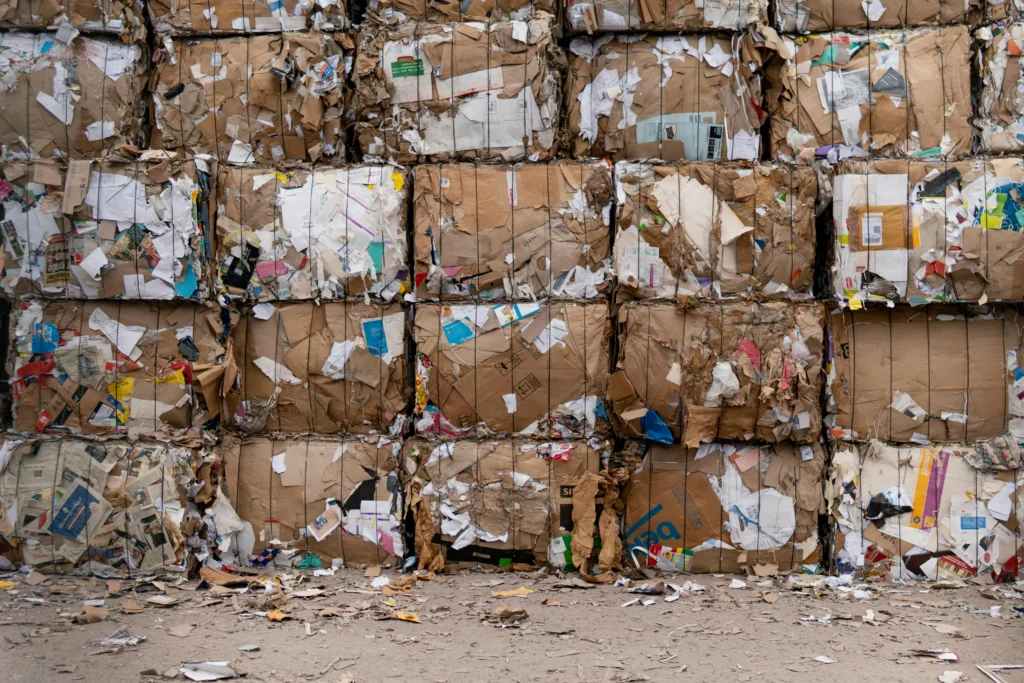
Environmental Impact of MataRecycler
Reduced Landfill Waste
Correct sorting keeps recyclable materials out of landfills. Less contamination means more materials get reused.
Lower Carbon Emissions
Efficient routing cuts fuel use. Recycling materials uses less energy than producing them from raw sources. Emissions drop as a result.
Resource Conservation
This supports:
- Fewer trees cut through paper recycling
- Lower oil demand through plastic reuse
- Reduced mining through metal recovery
Each correctly recycled item reduces environmental extraction.
Economic and Operational Benefits
It improves sustainability and reduces costs at the same time.
- Automation lowers labor expenses
- Cleaner recyclables increase material value
- Real-time data improves planning
- Cities and organizations save money long term
That’s why adoption makes financial sense, not just ethical sense.
Where MataRecycler Is Used
Municipal Waste Systems
Cities use it to improve recycling rates, track performance, and meet regulations.
Businesses and Offices
Companies monitor waste output, improve ESG reporting, and engage employees.
Schools and Universities
Students learn sustainability through hands-on participation.
Residential Communities
Apartment complexes benefit from cleaner waste streams and easier recycling.
MataRecycler vs Traditional Recycling Systems
| Feature | MataRecycler | Traditional Recycling |
|---|---|---|
| Sorting Accuracy | AI-driven | Manual and inconsistent |
| User Guidance | Real-time instructions | Minimal |
| Transparency | Full tracking | None |
| Incentives | Rewards and feedback | Rare |
| Efficiency | Optimized logistics | Inefficient |
Challenges MataRecycler Solves
- Confusion about recyclable items
- High contamination rates
- Inefficient waste collection
- No accountability
- Low user participation
When these problems disappear, recycling results improve naturally.
Future Development of MataRecycler
It continues to expand with plans that include:
- More advanced material recognition
- Larger smart bin networks
- Wider regional availability
- Stronger environmental impact reporting
The objective is clear: make intelligent recycling normal, not optional.
Final Thoughts
MataRecycler changes how recycling works by removing assumptions and replacing them with clarity and automation.
For individuals, recycling becomes easy and visible.
This is for organizations, waste management becomes efficient and measurable.
For the environment, waste and emissions decrease.
MataRecycler doesn’t just improve recycling. It fixes the system behind it.
Frequently Asked Questions (FAQs)
What is MataRecycler used for?
MataRecycler helps people and organizations identify, sort, and track recyclable waste accurately.
How does MataRecycler improve recycling accuracy?
It uses AI recognition and clear preparation steps to reduce sorting errors.
Is MataRecycler suitable for businesses?
Yes. It offers analytics, reporting, and waste tracking tools for organizations.
Does MataRecycler reduce environmental impact?
Yes. It lowers landfill use, cuts emissions, and improves material recovery.
Is MataRecycler easy to use?
Yes. The system works for users with no technical background.