
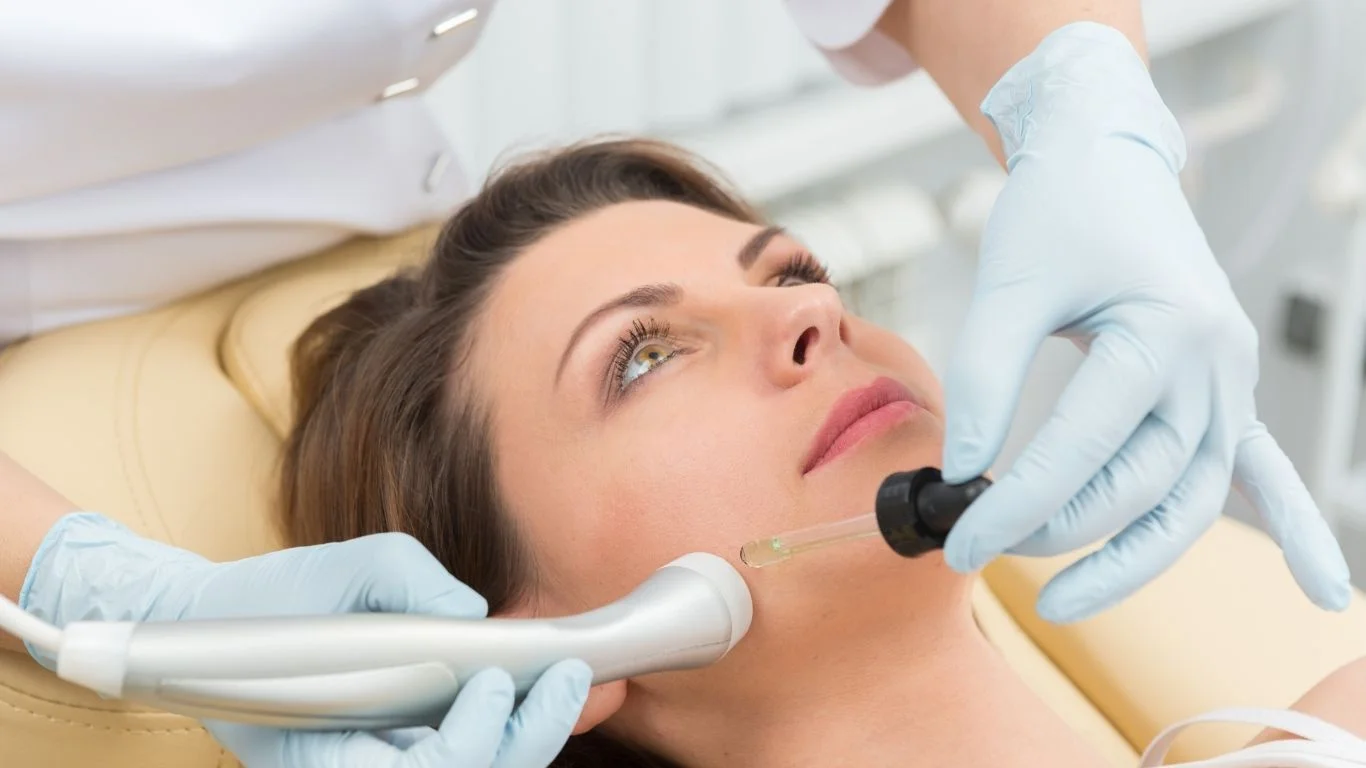
Cellulite is one of the most talked-about skin concerns worldwide, especially among women. While it poses no medical risk, the uneven, dimpled appearance can impact confidence and self-image. Over time, countless treatments and techniques have emerged, all promising smoother, firmer skin. This growing interest has given rise to cellulogia, a term often used to describe targeted approaches aimed at reducing the appearance of cellulite through modern treatments, lifestyle changes, and supportive skincare practices.
Understanding what truly works versus what merely sounds appealing is essential. Many people invest time and money into solutions without seeing lasting results. This comprehensive guide explores the science behind cellulite, examines effective and ineffective treatments, and highlights how diet, exercise, and natural approaches fit into a realistic cellulite-reduction strategy.
Understanding What Cellulite Really Is
Cellulite is a structural change in the skin rather than a surface flaw. It occurs when fat cells push upward against connective tissue beneath the skin, creating a puckered or dimpled appearance. This effect is most commonly seen on the thighs, hips, abdomen, and buttocks.
Hormones play a significant role in its development. Estrogen, insulin, and cortisol influence fat storage, circulation, and connective tissue strength. Genetics also determine how your body stores fat and how resilient your connective tissues are, making some individuals more prone to cellulite regardless of weight.
Poor circulation, reduced collagen production with age, dehydration, and a sedentary lifestyle can all worsen the appearance. Understanding these root causes is critical before choosing any cellulogia-focused treatment.
Why Many Cellulite Treatments Fail
The market is flooded with creams, tools, and procedures that promise dramatic results. Unfortunately, many treatments fail because they address only the surface of the skin rather than the underlying structure causing cellulite.
Topical products may temporarily tighten skin or reduce puffiness, but they rarely penetrate deeply enough to alter fat cells or connective tissue. Similarly, quick-fix solutions often rely on dehydration or inflammation to create short-term smoothing effects that fade quickly.
Effective cellulite reduction requires improving circulation, strengthening connective tissue, stimulating collagen production, and reducing localized fat pressure. Treatments that ignore these elements often produce disappointing outcomes.
Clinically Supported Treatments That Show Results
Several professional treatments have shown measurable improvements in skin texture when performed correctly and consistently.
Laser-based therapies work by targeting fat cells beneath the skin while stimulating collagen remodeling. These treatments can improve skin elasticity and reduce dimpling over time, especially when combined with lifestyle changes.
Radiofrequency treatments use controlled heat to tighten connective tissue and encourage collagen growth. This method is popular because it is non-invasive and requires little downtime.
Subcision is a minimally invasive technique that releases fibrous bands pulling the skin downward. By breaking these bands, the skin surface appears smoother and more even. This method is often considered one of the most effective medical approaches within cellulogia protocols.
Ultrasound-based treatments use sound waves to disrupt fat cells and enhance circulation. While results vary, some individuals experience visible improvement after multiple sessions.
The Importance of Diet in Reducing Cellulite
Nutrition plays a crucial role in skin health and fat distribution. Diets high in processed foods, excess sodium, and refined sugars can contribute to inflammation and water retention, making cellulite more noticeable.
A diet rich in vegetables, fruits, lean proteins, healthy fats, and whole grains supports collagen production and improves circulation. Antioxidants help protect skin structure, while adequate protein supports tissue repair.
Hydration is equally important. Drinking sufficient water helps maintain skin elasticity and reduces toxin buildup that can worsen cellulite. When combined with targeted treatments, dietary changes can significantly enhance results associated with cellulogia-based strategies.
Exercise and Its Impact on Skin Texture
Physical activity improves blood flow, strengthens muscles, and reduces overall body fat, all of which contribute to smoother skin. While exercise alone may not eliminate cellulite, it plays a vital supporting role.
Strength training helps build muscle beneath the skin, creating a firmer appearance. Cardiovascular exercise enhances circulation and lymphatic drainage, reducing fluid buildup that exaggerates dimpling.
Consistency matters more than intensity. A balanced routine that includes resistance training, walking, cycling, or swimming can improve skin tone over time and support long-term cellulite management.
Natural Approaches That Support Cellulite Reduction
Many people prefer natural methods to complement professional treatments. While these approaches require patience, they can improve skin quality and circulation when used consistently.
Dry brushing stimulates lymphatic flow and exfoliates the skin. Massage techniques help reduce fluid retention and temporarily improve texture. Essential oils such as rosemary or grapefruit may support circulation when diluted properly and used during massage.
Coffee-based scrubs containing caffeine can temporarily tighten the skin and reduce swelling. These methods do not remove cellulite permanently, but they can enhance overall skin appearance when paired with a healthy lifestyle and cellulogia-inspired care plans.
Treatments and Practices Best Avoided
Some cellulite treatments are heavily marketed despite limited evidence. Liposuction, for example, removes fat but does not address connective tissue structure and may worsen skin texture in some cases.
Injection-based treatments that claim to dissolve fat often lack consistent results and may carry risks such as bruising, swelling, or uneven skin texture. Unregulated devices and miracle products promising instant results should be approached with caution.
Long-term improvement requires realistic expectations and evidence-based approaches rather than shortcuts.
How to Choose the Right Approach for Your Body
There is no universal solution for cellulite. Factors such as age, genetics, skin elasticity, lifestyle, and budget all influence which methods work best.
Consulting a qualified professional can help identify suitable treatments based on your skin structure and goals. Combining clinical treatments with exercise, proper nutrition, hydration, and skincare often delivers the most noticeable and lasting improvements. A personalized plan rooted in science rather than trends is the foundation of effective cellulogia results.
Conclusion
Reducing the appearance of cellulite is a journey that requires understanding, consistency, and informed decision-making. While no treatment can guarantee perfection, many options can significantly improve skin texture when applied correctly and supported by healthy habits. By addressing underlying causes such as circulation, connective tissue strength, and lifestyle factors, long-term improvements become achievable.
Whether you choose professional treatments, natural methods, or a combination of both, patience and realism are essential. With the right approach, cellulogia can be part of a balanced strategy that enhances confidence and promotes healthier skin.
FAQs
What is cellulogia and how does it work?
Cellulogia refers to structured approaches that target cellulite through a combination of treatments, lifestyle changes, and supportive skincare. It focuses on improving circulation, collagen production, and connective tissue strength rather than relying on surface-level fixes.
Can cellulite be permanently removed?
There is currently no permanent cure for cellulite. However, consistent treatments, healthy habits, and maintenance routines can significantly reduce its appearance and prevent it from worsening over time.
Do cellulite creams actually work?
Most creams offer temporary tightening or hydration benefits but do not address the deeper structural causes of cellulite. They are best used as supportive care rather than standalone solutions.
How long does it take to see results from cellulite treatments?
Results vary depending on the method used, skin condition, and consistency. Some professional treatments show improvement within weeks, while lifestyle changes may take several months to become noticeable.
Is exercise enough to get rid of cellulite?
Exercise alone usually cannot eliminate cellulite, but it greatly improves muscle tone, circulation, and fat distribution. When combined with other treatments, it plays a vital role in achieving smoother-looking skin.