
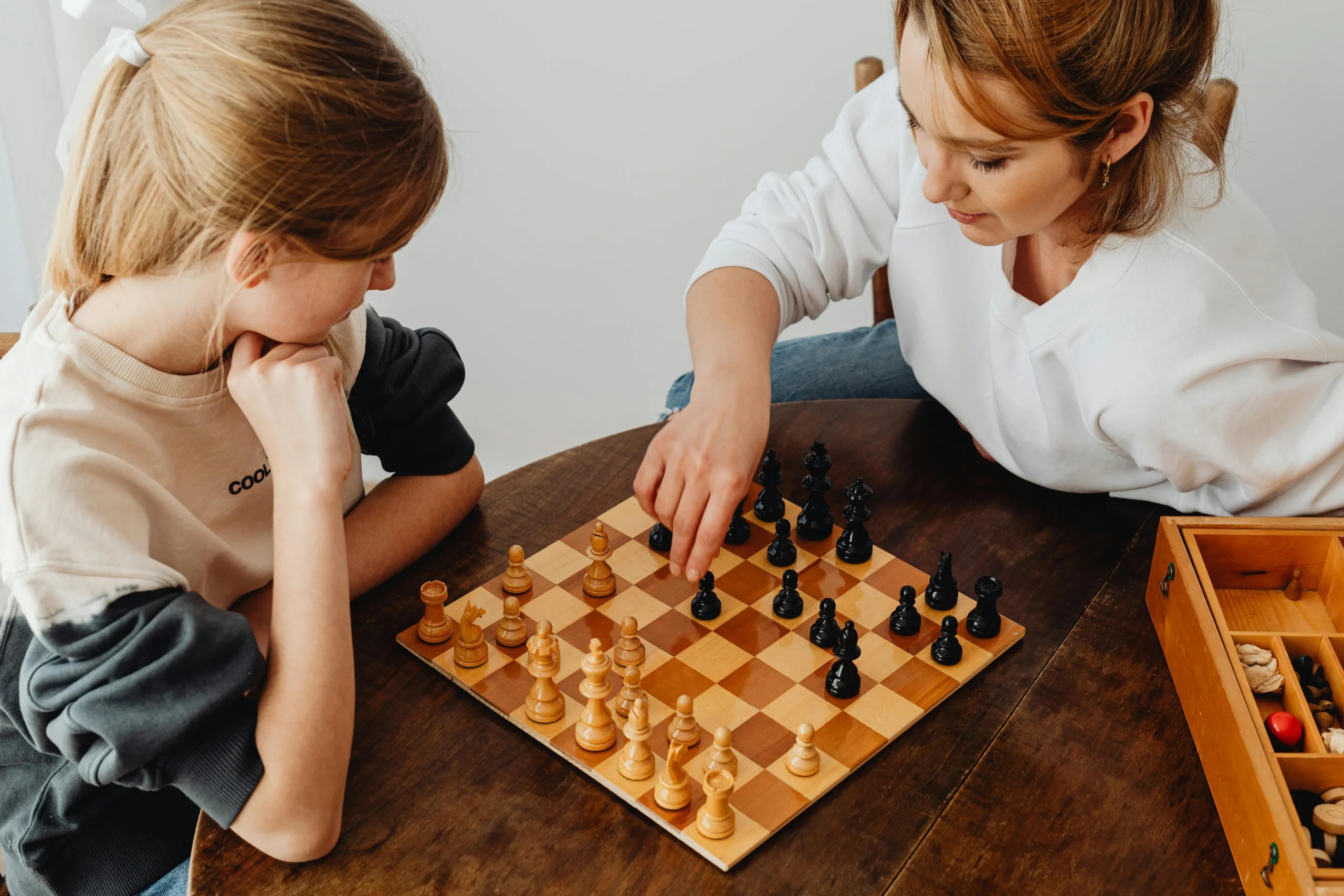
Critical thinking is an essential skill that can define an employee’s success. It equips individuals to analyze data, evaluate evidence, and make informed decisions. In today’s competitive and fast-paced work environment, employees who actively engage in Critical Thinking Exercises can navigate challenges more effectively, innovate solutions, and contribute meaningfully to organizational growth.
Reflective thinking, described by John Dewey in 1910 as a careful and persistent evaluation of beliefs and knowledge, forms the basis of modern critical thinking. It emphasizes examining assumptions, evaluating evidence, and understanding the implications of conclusions. These skills are vital in professional settings, where decision-making requires both clarity and precision.
Recent surveys by the American Association of Colleges and Universities reveal that 75% of employers expect employees to have strong critical thinking abilities, creativity, and problem-solving skills. In 2026, this need is even more pronounced. Organizations face complex challenges like rapidly changing markets, technological integration, remote work dynamics, and high volumes of information. Employees trained in critical thinking are better equipped to handle these pressures and make decisions grounded in logic and evidence.
Companies fostering a culture of analytical thinking consistently outperform their peers. Employees using Critical Thinking Exercises can identify assumptions, recognize biases, assess risks, and design innovative solutions. Organizations that ignore the development of these skills risk poor judgment, missed opportunities, and reactive management, while those that prioritize them achieve strategic advantage, resilience, and higher productivity.
14 Practical Critical Thinking Exercises for Adults
Critical Thinking Exercises are structured activities designed to enhance problem-solving, reasoning, and analytical capabilities. The following exercises are practical, engaging, and applicable in professional settings.
1. Egg Drop Challenge
Teams design a structure to protect an egg from breaking when dropped from a height, using only limited materials such as paper, straws, tape, and rubber bands.
Key Lessons: Collaboration, creativity, strategic thinking, and iterative learning.
How to Exercise Critical Thinking: Teams assess material effectiveness, anticipate potential failures, and refine their designs through trial and error.
2. Improv Problem Solving
Participants collaboratively solve a scenario where each person adds one sentence or idea in turn, creating an evolving story.
Key Lessons: Adaptability, quick decision-making, communication, and creativity.
Reflection: Encourages flexibility and helps participants respond effectively to unexpected challenges.
3. Escape Room Challenges
Teams solve puzzles within a limited timeframe to “escape” a themed room.
Key Lessons: Strategic planning, collaboration, analytical reasoning, and time management.
How to Improve Critical Thinking Exercises: Participants must prioritize clues, evaluate evidence, and communicate efficiently under pressure.
4. Murder Mystery Games
Teams work together to solve a fictional crime using clues and logic.
Key Lessons: Deduction, teamwork, evidence evaluation, and critical analysis.
Reflection: Reinforces the ability to question assumptions and make reasoned conclusions.
5. Puzzle-Solving Relay
Teams solve puzzles sequentially in a relay format, combining individual critical thinking with collaborative problem-solving.
Key Lessons: Communication, strategic thinking, and structured problem-solving.
6. Role-Playing Scenarios
Employees act out real-world situations relevant to their job roles, allowing them to practice decision-making and problem-solving.
Key Lessons: Empathy, practical application, teamwork, and strategic reasoning.
How to Exercise Critical Thinking Skills: Simulated scenarios help participants anticipate outcomes, evaluate options, and test solutions before implementing them.
7. Reverse Brainstorming
Teams first list ways to worsen a problem, then reverse those ideas to find innovative solutions.
Key Lessons: Creativity, perspective-shifting, and unconventional problem-solving.
How Music Exercises Critical Thinking: Just like reverse brainstorming, analyzing musical patterns encourages pattern recognition, sequencing, and flexible thinking.
8. The Marshmallow Challenge
Teams construct the tallest freestanding structure using spaghetti, tape, string, and a marshmallow on top.
Key Lessons: Iterative design, teamwork, creativity, and adaptive thinking.
9. Two Truths and a Lie
Participants share three statements about themselves; others identify the false one.
Key Lessons: Observation, reasoning, communication, and insight.
10. Silent Line-Up
Teams organize themselves silently according to criteria such as birthdays or experience level.
Key Lessons: Non-verbal communication, coordination, teamwork, and problem-solving.
11. Tower of Hanoi
A puzzle where disks must be moved between pegs according to specific rules, enhancing planning and logical thinking.
Key Lessons: Strategy, patience, and cognitive flexibility.
12. Rebus Puzzle
Participants decode visual clues to solve puzzles.
Key Lessons: Creative thinking, pattern recognition, and collaborative problem-solving.
13. Socratic Circle
A structured discussion where employees explore a topic using guided questioning.
Key Lessons: Deep reasoning, reflection, dialogue, and evaluation of assumptions.
What Are 3 Key Ideas to Exercise Critical Thinking: Challenge assumptions, analyze evidence, and consider alternative perspectives.
14. Paper Tower Challenge
Teams use only paper to construct a model of a structure or town under constraints.
Key Lessons: Resource management, innovation, collaboration, and problem-solving.
Exercises for Critical Thinking: These activities foster analytical thinking, teamwork, and creative problem-solving, making them highly effective for professional development.
Integrating Critical Thinking Exercises in Daily Work
How to Exercise Critical Thinking:
- Apply scenario-based problem-solving in meetings.
- Keep a reflective journal of decisions and outcomes.
- Question assumptions before drawing conclusions.
- Consider multiple viewpoints to broaden perspective.
Regularly engaging in Critical Thinking Exercises strengthens decision-making, enhances problem-solving, and improves overall workplace effectiveness.
Conclusion
Implementing Critical Thinking Exercises in the workplace builds a workforce capable of analytical reasoning, creative problem-solving, and effective collaboration. These activities develop skills that prepare employees to handle complex challenges, make informed decisions, and contribute to organizational success. By practicing these exercises consistently, professionals cultivate a mindset that values evidence, evaluates risks, and approaches problems strategically.
FAQs
Q: How to exercise critical thinking skills effectively?
A: Engage in scenario-based challenges, role-playing, and structured problem-solving activities. Reflect on outcomes to refine reasoning and decision-making.
Q: Which critical thinking exercises are best for adults?
A: Activities like Escape Room challenges, Tower of Hanoi, and the Marshmallow Challenge provide practical experience in analytical reasoning and collaboration.
Q: How to improve critical thinking exercises?
A: Incorporate reflection, feedback, and real-world application. Mix creative puzzles, group discussions, and scenario-based exercises to enhance engagement.
Q: Are critical thinking exercises with answers PDF available?
A: Yes, professional guides provide PDFs containing exercises and model answers for practice and skill development.
Q: How music exercises critical thinking?
A: Music engages pattern recognition, sequencing, and interpretation, which improves reasoning and cognitive flexibility.
Q: What are 3 key ideas to exercise critical thinking?
A: Challenge assumptions, evaluate evidence, and consider multiple perspectives before making conclusions.
Q: How to exercise critical thinking in the workplace?
A: Use team-based puzzles, scenario simulations, and reflective activities to practice analysis, collaboration, and problem-solving.
Q: Are these exercises suitable for team environments?
A: Absolutely. Activities like Egg Drop, Socratic Circle, and Role-Playing foster teamwork, communication, and collaborative problem-solving.